Quick Answer
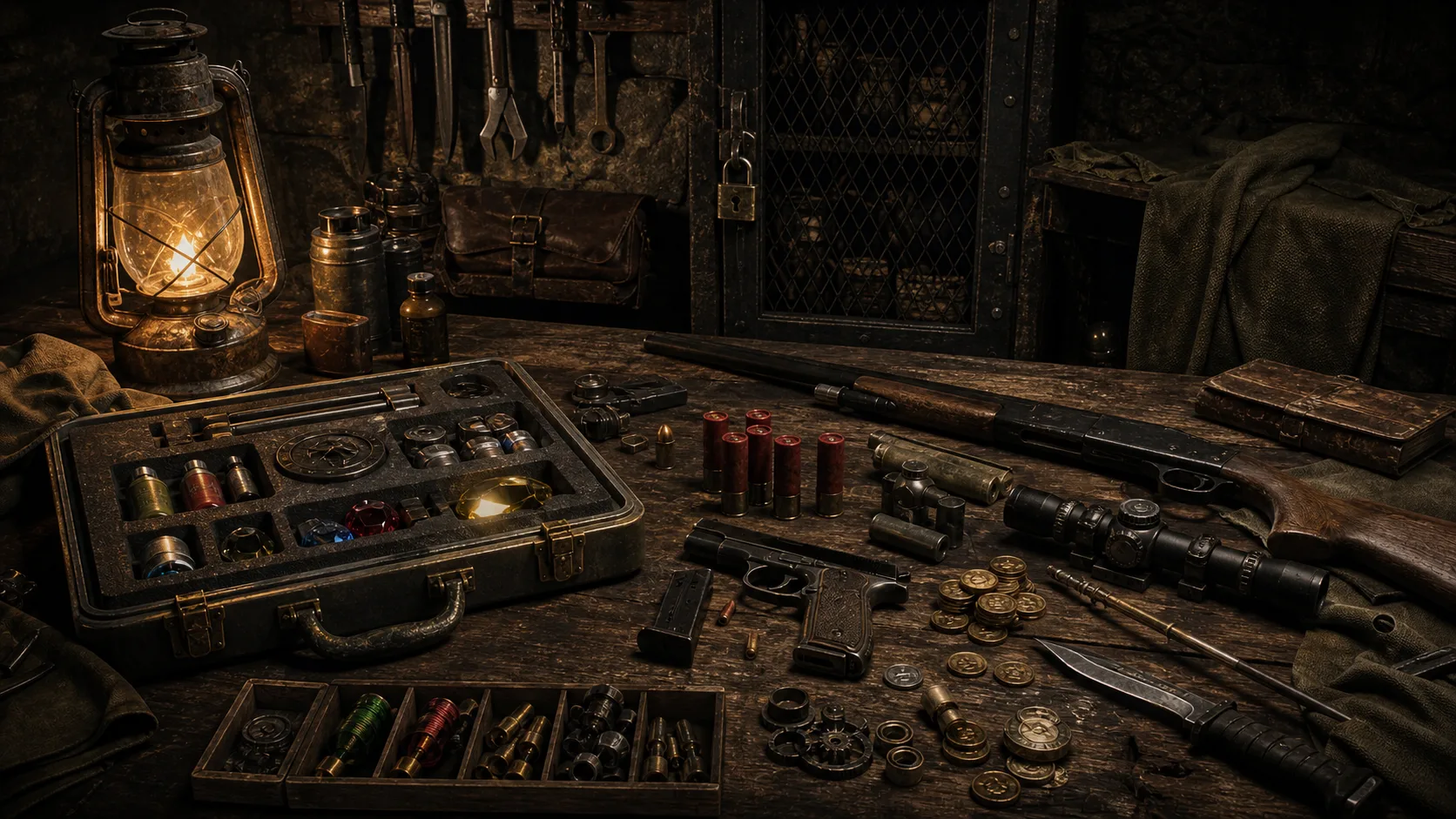
For a first run, do not upgrade every weapon evenly. Stabilize one main handgun, one close-range emergency weapon, one precision weapon, and knife durability. Money should go into weapons you use every chapter, not tools that appear in only one or two fights.
Upgrade Priority
| Priority | Upgrade | Role |
|---|---|---|
| S | Main handgun power and reload | Highest full-run use rate |
| A | Shotgun power | Emergency crowd control and close burst |
| A | Rifle power | Weak points, ranged threats, and special enemies |
| A | Knife durability | Parries, escapes, and execution safety |
| B | Rate of fire and capacity | Feel-based, not always urgent |
| B | Exclusive upgrades | Best after the main weapon route is clear |
Beginner Weapon Structure
- Handgun: ordinary enemies and resource efficiency.
- Shotgun: emergency space-maker, not every small target.
- Rifle: ranged threats, weak points, and specific dangerous enemies.
- Knife: survival and counterplay, not only melee damage.
- Grenades: save for groups and hard fights.
Common Mistakes
- Buying new guns constantly without upgrading any of them.
- Spending money on weapons you rarely fire.
- Ignoring knife repairs before important fights.
- Selling treasures without gemstone inlays.
- Over-saving ammo so hard that you take extra damage.
Merchant Stop Logic
At every Merchant, ask three questions: what enemies are next, whether your main weapon is falling behind, and whether completed treasures can fund an upgrade. If the next segment is a hard fight, upgrade the weapon that solves that fight.
Related guide: Inventory and resource management.